

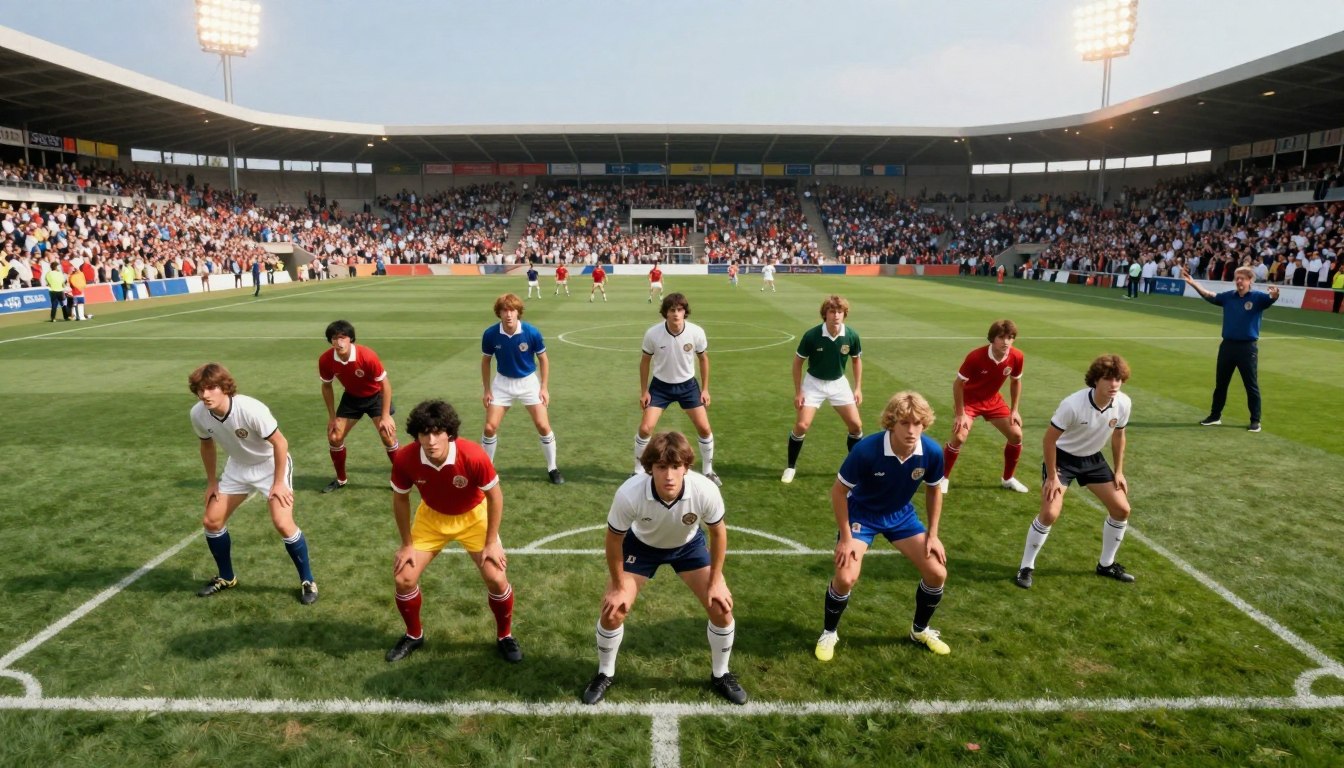
In sports, a captain is more than just a good player. They need to be great at talking and understanding people. This mix creates a team that trusts each other and their leaders.
When players and coaches trust each other, they play better. They feel more confident and can handle tough situations.
Creating a strong team is more than just winning. Team spirit is key and must be worked on. It’s about turning a group into a team that works well together, even when it’s hard.
There are real ways to boost team morale. Teams that focus on building strong bonds do better and stay strong. For more tips on keeping teams inspired, check out this resource.
Why Team Morale Matters
Team morale is key to success. It boosts performance and is more than just feeling good. When players trust each other and their coaches, they perform better under pressure.
Creating a winning culture is vital. Zappos, known for great customer service, sees culture as its main strength. This is true for sports too. A positive team environment lets athletes take risks and recover fast from failures.
Trust among team members boosts confidence. Teams with strong bonds make fewer mistakes and stay calm in tough times. This is critical for overcoming challenges.
To show how important team morale is, here’s a table of its benefits:
| Benefit | Description | Impact on Performance |
|---|---|---|
| Increased Trust | Team members feel secure in their roles and relationships. | Leads to better collaboration and fewer mistakes. |
| Enhanced Communication | Open lines of dialogue promote understanding. | Improves strategy execution during games. |
| Resilience | Ability to bounce back from setbacks. | Helps teams maintain focus and performance under pressure. |
Investing in sports morale is as important as physical training. It boosts resilience, cohesion, and success. Coaches and captains should focus on building a strong team culture. It’s a strategic asset, not a luxury. For more on team morale, read this article on team morale meaning.
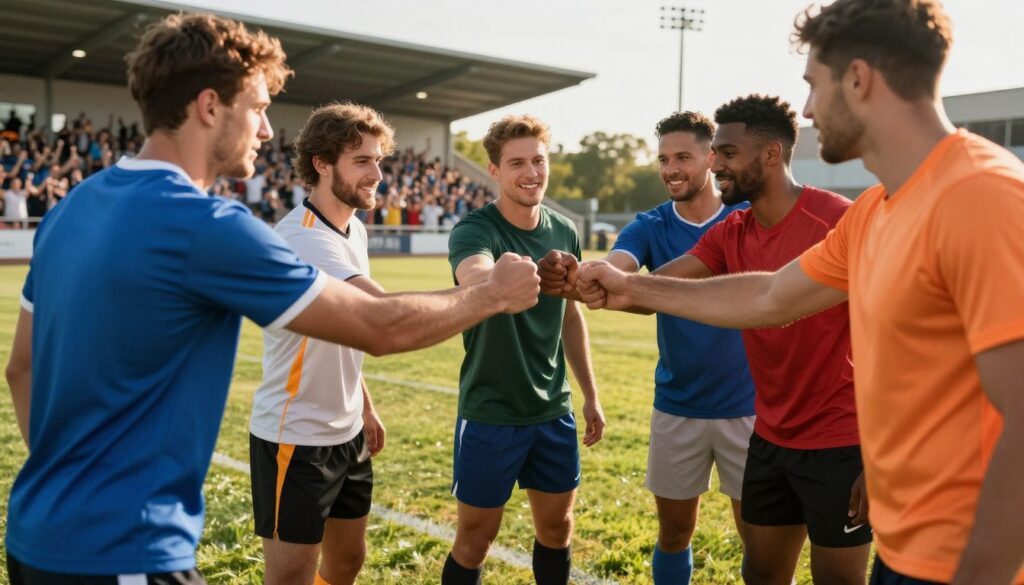
Classic and Creative Team-Building Activities
Team-building activities are key to better teamwork and trust. Coaches and captains can use many activities. These help build personal connections and boost team spirit.
Planning team outings, like dinners or fun activities, is a great idea. These events help team members bond outside of games. This builds friendships that improve communication on the field.
Rotating group pairings during drills and games also helps. It stops teams from dividing. Players get to work with others, breaking down cliques and making the team more inclusive.
Adding team-building exercises to practice is smart. Activities like relay races or trust falls boost communication and teamwork. They make players rely on each other, showing their strength together.
Introducing a “Glue Award” is another creative idea. It rewards the team member who keeps the team together. A small glue stick symbolizes their role in keeping the team united.
Team building should be ongoing, not just a one-time thing. It should be part of daily practices and team interactions. By focusing on team-building, coaches and captains can strengthen the bonds that keep morale high.
Effective Communication Techniques
Good communication is key to a winning team. Captains and coaches must connect with everyone, making sure everyone feels included and motivated. They need to be good at talking, listening, and understanding nonverbal signs.
Verbal Communication: Clear and positive words can really boost team spirit. Captains should change how they talk based on the situation. For example, saying “We’ve got this!” or “Next play!” can energize the team during tough times.
Nonverbal Communication: How you stand and look can send big messages. A confident captain can keep the team steady when things get hard. Players should watch their body language too, as it can either lift or lower team morale.
Active Listening: Listening well is important for a supportive team. Captains should really listen to their teammates, understanding their feelings and thoughts. This builds trust and makes everyone feel safe to speak up.
To improve communication, try these ideas:
- Have regular team talks to set goals and talk about problems.
- Encourage players to share their thoughts and feelings freely.
- Give feedback in a kind way.
- Use role-playing to get better at talking and listening.
It’s important to create a culture where everyone can speak up. When everyone feels they can contribute, the team does better. This shared responsibility can really improve how well the team works together.
For more tips on how to improve team communication, check out this resource.

Case Studies: Winning Teams
Looking at successful cases shows how team morale strategies can boost performance. We see this in the business world and college sports. Both show the impact of clear core values.
Zappos is a top example. Its CEO, Tony Hsieh, says culture is key. Zappos checks if employees match its values, like:
- Build a positive team and family spirit
- Build open and honest relationships with communication
Zappos is bold. They give new hires $4,000 to leave if they don’t fit. This keeps the culture strong and celebrates those who do.
Anson Dorrance, the UNC women’s soccer coach, uses a different method. He lets players rate each other on living the team’s 12 core values. This makes everyone accountable and ensures teamwork.
Zappos and Dorrance’s approach shows the power of core values. By focusing on team morale, they’ve built lasting success.
Actionable Steps for Your Squad
Building team morale takes effort and clear plans. Start with a Leadership Council of senior players. This group offers feedback and helps with team communication. It makes players feel more connected and responsible.
Then, set clear, achievable goals. Show these goals in the dugout. This makes goals real and boosts team motivation. Regularly checking on these goals keeps everyone on track.
Focus on the journey, not just the win. Celebrate effort and growth, even when losing. This builds resilience and boosts team spirit, making challenges opportunities for growth.
Use drills that mimic game pressure. A “pressure inning” drill can build mental strength. These drills improve skills and team spirit.
Also, tackle behaviors that harm the team. Holding teammates accountable is key for a positive team. Talk about these issues with care, balancing friendship and responsibility. These steps help create a winning team culture based on teamwork and respect.