

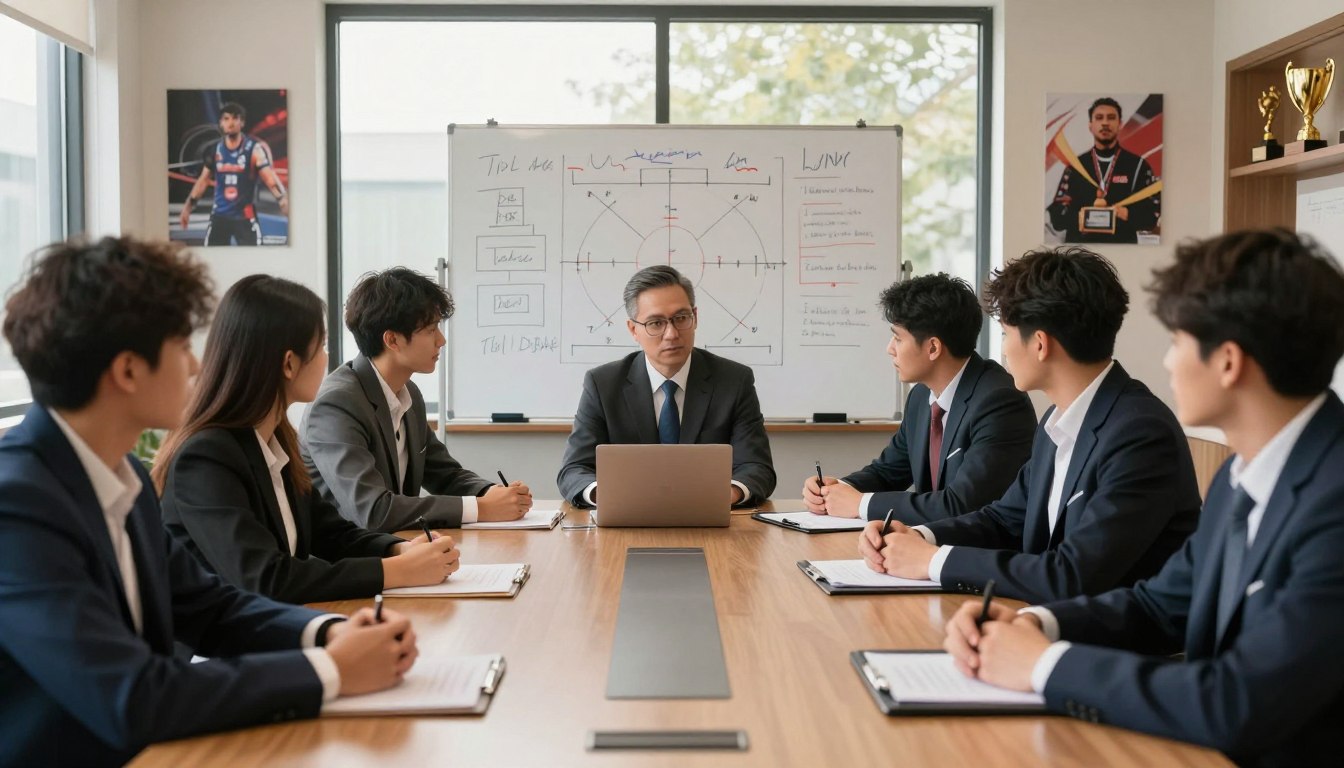
In the world of competition, setbacks are inevitable. Whether in sports or business, how we respond to these challenges can significantly impact our future success. Learning from failure is essential, and one of the most effective ways to do this is through structured analysis. This is where the concept of debriefing comes into play.
Rather than succumbing to emotional reactions, effective debriefing focuses on a systematic breakdown of events. As an engineer would analyze a malfunction, competitors can dissect their performance to understand what went wrong and what can be improved. This method shifts the focus from blame to constructive feedback, fostering a culture of growth.
Coach Sam Piraro’s journey exemplifies this evolution. Early in his career, he often reacted with frustration, but over time, he developed a more measured approach to post-game discussions. His transition from venting to teaching highlights that debriefing is a skill that can be cultivated. By adopting a calm and structured method, teams can transform defeats into valuable lessons.
For those looking to enhance their competitive edge, understanding how to analyze setbacks can be the key to breaking through performance plateaus. By embracing the process of reflection, teams can turn their losses into stepping stones for future victories. To explore more about effective debriefing methods, check out resources like this article and this guide.
Why Post-Game Reflection Matters
Post-game reflection is key to future success. It’s not just a routine; it’s essential for athletes to grow. Without it, teams might keep making the same mistakes, leading to no improvement.
Coach Piraro shared important insights in a seminar. He said coaches should ask themselves tough questions after games. Questions like, “Were you venting or teaching?” and “Did you embarrass anyone?” help coaches see if they’re doing a good job with players. These moments are critical for a team to learn and improve together.
Coach Piraro also pointed out that debriefing after games is where real growth happens. By looking at game footage and court positioning, athletes can find mistakes they didn’t see during the game. This detailed look helps athletes learn from their experiences.
The table below shows why detailed post-game analysis is important:
| Benefit | Description | Impact on Performance |
|---|---|---|
| Identifying Mistakes | Recognizing errors made during the game. | Reduces repetition of the same mistakes. |
| Enhancing Skills | Focusing on areas needing improvement. | Promotes overall skill development. |
| Boosting Team Morale | Encouraging positive reinforcement. | Strengthens team cohesion and confidence. |
In short, skipping post-game analysis means missing out on growth. By embracing this practice, athletes and teams can improve together. This leads to better performance in the future.
Step-by-Step: Conducting an Effective Debrief
A well-organized loss debrief can turn setbacks into valuable learning experiences. To conduct an effective debrief, follow these structured steps:
- Cool Down Period: Allow players time to process their emotions after the game. Debriefing immediately after a loss can lead to heightened emotions and unproductive discussions.
- Objective Review: Gather the team and discuss what actually happened during the game. Focus on facts, not feelings. Ask questions like, “What were the key moments?” and “How did we execute our game plan?”
- Control Assessment: Differentiate between what was within the team’s control and what was not. This helps players understand their responsibilities and avoid unnecessary blame.
- Identify Changes: Pinpoint specific areas for improvement. Discuss what adjustments can be made for future competitions to enhance performance.
- Email Debriefing: Implement Coach Piraro’s method by sending an email summarizing the key points discussed. This should include constructive feedback, areas needing improvement, and positive highlights. Players should confirm they received and read the email.
Coach Piraro emphasized that feedback should be respectful and constructive. Avoid cursing or singling out players unless it’s complimentary. Highlight the positive aspects of the game, regardless of the outcome. This balanced approach not only fosters respect but also prepares players for future challenges.
In conclusion, an effective loss debrief is key for team growth. By following these steps, coaches can create a supportive environment that encourages learning and improvement.

Involving Players in Discussion
Involving players in discussions fosters a sense of accountability and enhances learning. This method changes the way athletes learn. Instead of just listening, they actively participate in their growth. It turns debriefs into interactive sessions where players solve problems.
Coach Piraro found that email debriefs helped players prepare. He said, “Each player was ready for our talks and looked forward to them.” This readiness made meetings calm and factual. It also made players take responsibility for their mistakes.
When players are ready to discuss, they learn more from failure. They also come up with their own solutions.
Having parents involved also helps. Coach Piraro noticed that when parents read the emails, they understood the coaching goals. This understanding helped everyone work together towards the team’s goals. It creates a culture of growth, not blame.
It’s important for players to learn to analyze their own performance. Tools like the USTA mobile app help them do this. It encourages them to think about their actions and make changes during matches.
To make discussions productive, coaches should ask open-ended questions. For example, “What did you do well in the match?” or “How could you do it differently next time?” These questions help players think about their actions and learn from failure.

Creating an environment where players feel safe to share their thoughts is key. This approach not only improves learning but also strengthens the team. It makes everyone feel like they’re growing together.
For more tips on effective debrief sessions, check out this resource.
Examples from Amateur and Pro Teams
Looking at real-life examples from amateur and pro teams shows how post-game analysis helps teams grow. Athletes and coaches learn a lot from reflecting on their games. This process changes them for the better.
Michael Schumacher, a top name in motorsport, is a great example. He stayed calm even when things got tough. A former teammate said, “Michael Schumacher was always calm, even when it mattered most. He never panicked.” This calmness helped him deal with setbacks without getting upset.
Coach Piraro’s career in college baseball is another inspiring story. He won over 800 games and took his team to the College World Series. He changed how he talked to his team when he moved to high school coaching. Yet, he kept his high standards, showing that good analysis can work anywhere.
King Daddy Sports has helped over 130 tennis players get into college teams. They focus on improving tactics during post-game talks. This helps players get better, moving from Level 6 to Level 5 and higher.
These stories show a key point: in sports like motorsport, baseball, and tennis, focusing on learning is key. Teams and athletes who do this well grow and improve. They see the value in analyzing games to learn and get better.
Action Steps
Effective debriefing after loss is key for growth. Start with a cooling-off period. This lets emotions calm before discussing the loss.
Then, use an engineering mindset. Ask what happened, what was in control, and what changes are needed. This helps separate facts from feelings, leading to clarity.
Write down what you observed before talking. Coach Piraro’s email model helps everyone prepare. Schedule a follow-up to share insights. This builds teamwork and accountability.
Use the debrief’s findings in the next practice. This makes sure lessons are applied. Remember, patience is important, and activity doesn’t always mean progress. Surround yourself with honest advisors.
A good loss debrief does more than reflect. It builds resilience and sharpens tactics. It can turn defeat into a chance for future wins. For more on recovery and growth, visit this resource.